
Waste Reduction
Reducing Waste on Campus
Waste Reduction is a primary initiative of UMass Dining Sustainability. For Food Waste, we follow the Environmental Protection Agency’s Wasted Food Scale, which first prioritizes source reduction, followed by food donation, and composting methods.
To support source reduction, we use Metafoodx food waste tracking technology in all four Dining Commons and select locations in the Campus Center to monitor and minimize food waste. Surplus edible food is recovered and dispersed to the campus community through the student-led Food Recovery Network. All pre- and post-consumer food waste generated across our four dining commons, the Campus Center, and retail dining locations is diverted to Vanguard Renewables for anaerobic digestion at Barstow’s Farm in Hadley, MA. This process transforms food waste into renewable energy, helping to close the loop on waste by returning nutrients and energy back into the system to support a more circular and sustainable food system.
For other materials, we are aligned with the campus wide waste reduction efforts to Rethink, Reduce, Reuse, and Recycle framework, with the last resort being landfill. UMass Sustainability Waste Page
5 tips to reduce waste on campus:
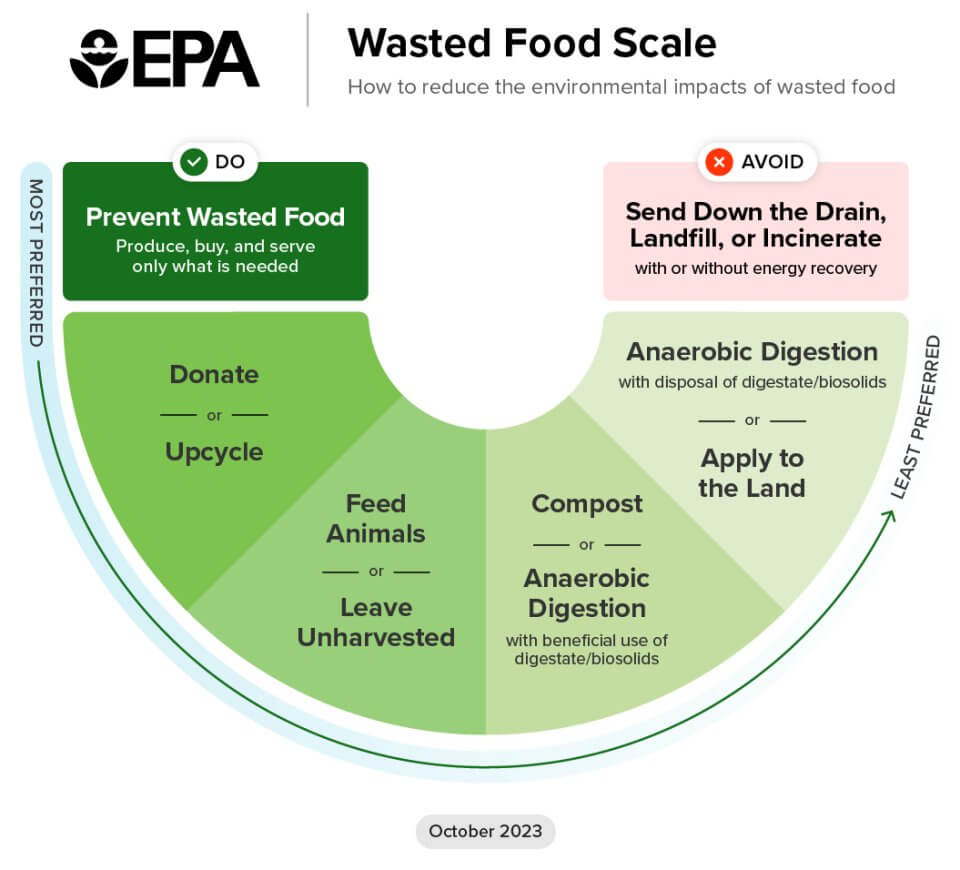
Strategies utilized by UMass Dining to Reduce Food Waste:
- Food Waste Tracking
- Menu Engineering
- Dining Common Design
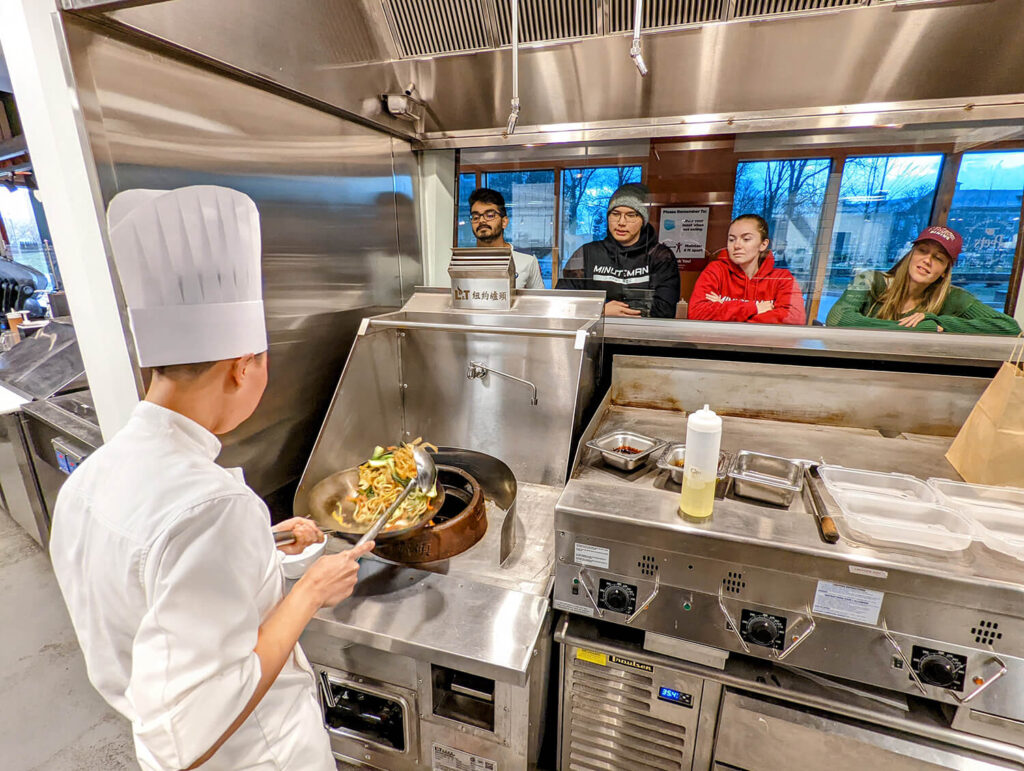
- Just in Time Cooking
- Small Plate, Big Flavor
- UMass Food Recovery Network
100% Food Waste Diversion
- Vanguard Renewables Anaerobic Digestion at Barstow Farms in Hadley
- Tray-less dining across campus
- Plastic bag ban at all our on-campus food locations
- Eliminated cans and bottles for Grab 'n' Go lunch, encouraging students to bring their own reusable bottle
- All napkins are made from 100% recycled fiber and are manufactured with a bleach-free process
- Retail Dining locations offer ceramic dishware to reduce single use compostable containers
- The No Taste for Waste Campaign encourages students to reduce single-use waste by choosing reusables - like plates, utensils, bottles, and mugs