
Clean water is one of our planet’s most essential resources. The United Nations Sustainable Development Goal 6 (SDG 6) focuses on ensuring clean water and sanitation for all. Here at UMass Amherst, we’re doing our part through responsible operations, research, and innovation.
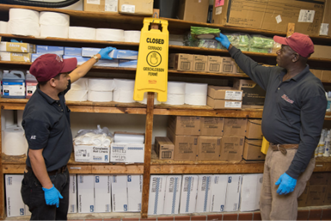
Green Cleaning at UMass Dining
UMass Dining supports SDG 6 through the Cleaning Cost Analysis Program (CCAP), launched in 2015 to make our facilities cleaner, safer, and more sustainable through:
- Eco-friendly chemicals: 75% of daily-use cleaning products are Green Seal Certified, while the fourth is phosphate-free and neutral pH, reducing harm to people and waterways.
- Smarter systems: Chemicals are diluted and color-coded to prevent overuse and plastic waste.
- Water-efficient tools: Microfiber mops and two-sided buckets conserve water, while Proteam vacuums improve indoor air quality.
- Trained staff: Our maintainers receive ongoing sustainability training to stay safe and reduce environmental impact.
For more information on our Green Cleaning initiative, visit: https://www.localumass.com/initiatives/green-cleaning/
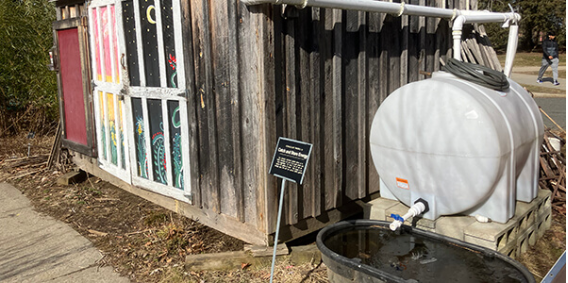
Franklin Permaculture Garden
Right outside Franklin DC, you’ll find an edible, educational, and biodiverse growing space for students to enjoy. Growing over 100 species of plants, students and faculty help maintain the garden, and a part of this process is rainwater harvesting. In the garden, a large, 250-gallon water cistern collects rainwater. This small-scale system is separate from the main potable water supply and ties back to SDG 6.4, which aims to increase water-use efficiency, and provides an on-site, sustainable system for watering the garden.
For more information on the Franklin Garden, visit: https://www.localumass.com/permaculture/our-gardens/franklin-garden/
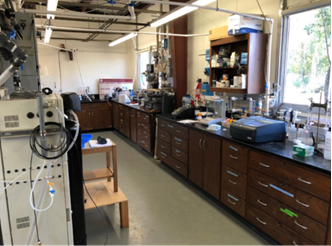
Clean Water Across Campus
UMass also safeguards water quality beyond Dining through strong environmental policies and infrastructure.
- Potable water: Campus water, supplied by the Town of Amherst, is routinely tested to meet or exceed safety standards.
- Wastewater: The Sewer System Use Protocol ensures that only approved discharges enter local treatment systems, preventing pollution.
- Stormwater management: The MS4 Stormwater Program reduces runoff and pollutants through education, street sweeping, and sustainable drainage systems.
- Rain gardens: Landscapes like the one at the Olver Design Building filter runoff, reduce flooding, and create habitats for pollinators.
- Water innovation: The Water and Energy Technology (WET) Center unites researchers and industry partners to develop cleaner, more efficient water systems. Their work helps communities and industries worldwide access sustainable water technologies.
For more information on Campus Water Quality, visit: https://www.umass.edu/ehs/water-quality-building-materials
From our cleaning products to our research labs, UMass Amherst is proving that sustainability flows through every part of campus life. Protecting clean water means protecting our future, and every step we take helps move us closer to that goal!