
At its core, Sustainable Development Goal 2 aims to end hunger, improve nutrition, and promote sustainable agriculture. It calls on institutions, governments, and communities to work together so that everyone can access safe, nutritious food every day.
But SDG 2 is more than ending hunger. It includes:
- Ensuring year-round access to adequate, nutritious food
- Improving nutrition
- Supporting sustainable agriculture and small-scale producers
- Building resilient food systems that can withstand climate change
- Preserving biodiversity
At UMass Amherst, we’re working toward SDG 2 from multiple angles: through food access, affordability, waste reduction, and sustainable agriculture initiatives.
What UMass Dining Is Doing to Support SDG 2:
- Building a Resilient, Local Food System: Supporting local farms strengthens regional food security, reduces carbon emissions, and ensures fresher, more nutrient-dense food for the campus community. Our partnerships with local farms help sustain small-scale producers who practice environmentally responsible agriculture. Many of these farms use regenerative and low-impact methods, such as minimal tillage, solar-powered storage systems, and more.
- Sustainable Agriculture & Biodiversity at UMass: The UMass Permaculture Initiative actively aims to restore ecosystems and preserve biodiversity. The gardens incorporate:
- Native plant diversity, supporting pollinators and wildlife
- Perennial food systems, which regenerate soil and store carbon
- Organic growing practices
- Habitat creation, with spaces designed for insects, birds, etc.
- Soil-building techniques, such as composting, mulching, and cover cropping
These gardens model sustainable, climate-resilient agriculture while providing fresh produce, educational opportunities, and community engagement. To learn more about the UMass Permaculture Initiative, visit: https://www.localumass.com/permaculture/
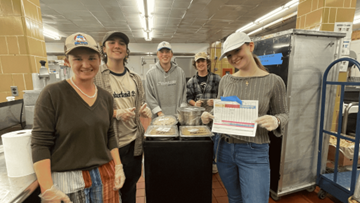
- Food Recovery Network (FRN): The FRN rescues surplus food from UMass DCs and campus events and redistributes it to the UMass community twice a week.
- Emergency Supplemental Meals: For meal plan students who have run out of swipes, this program provides 3 days’ worth of meals automatically loaded onto their UCard.
- Retail Discounts: UMass Dining offers multiple discounts that make food more affordable:
- 50% Retail Discount: One hour before closing at participating retail dining spots
- 40% Harvest Discount: One hour before closing at Harvest Market on select food items
- Reusable Mug Discount: Bring your own mug and get 25 cents off coffee at a retail dining location
- Permaculture Garden Ingredient Request: UMass Permaculture allows students to request free, fresh ingredients grown on campus. Students can email [email protected] to inquire.
UMass Dining is one point of access for the university’s No Student Goes Hungry Policy, ensuring that students can access a meal when they need it most. Please contact the UMass Meal Plan Office at (413) 545-2472 for more information. For more information on UMass Dining’s food insecurity initiatives, visit: https://umassdining.com/food-insecurity-i-need-food
Campus Resources Beyond Dining
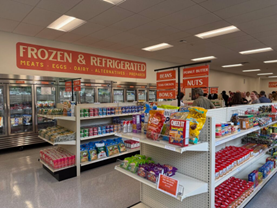
- Campus Food Pantry: In partnership with the Amherst Survival Center, the Campus Food Pantry offers a confidential and self-guided shopping experience for anyone in the UMass community who needs it. The Pantry provides up to 10 days of food per household.
For more information on the Campus Food Pantry, visit: https://amherstsurvival.org/campus-pantry/